
For many women experiencing severe bleeding after childbirth, access to blood can mean the difference between life and death.
Yet across Kenya, blood shortages continue to threaten maternal health outcomes, particularly for mothers facing postpartum hemorrhage (PPH), one of the leading causes of maternal deaths.
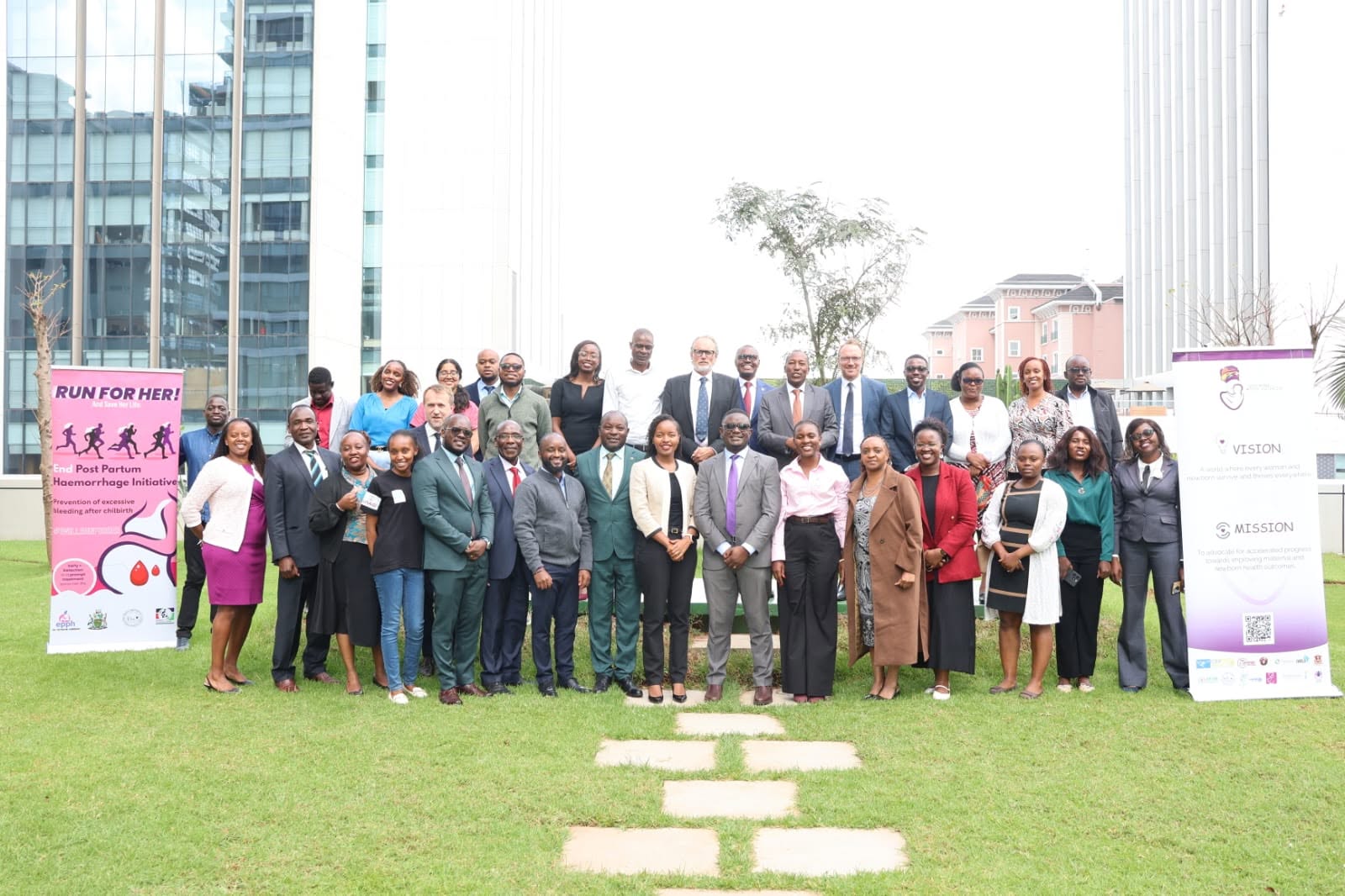
To help address this challenge, the International Centre for Reproductive Health Kenya (ICRHK), through the Okoa Mama na Mtoto Initiative (OMMI), recently supported the Kenya Obstetrical and Gynaecological Society (KOGS) and the PPH Foundation in convening stakeholders under the Roaming Blood Initiative.
The forum brought together representatives from government, academia, implementing partners, the media, and communities to discuss how Kenya can improve access to safe and timely blood transfusions.
Discussions at the meeting painted a clear picture of the challenges facing the country’s blood supply system. Participants noted that many women begin labour already at risk.
An estimated 40 to 60 per cent of pregnant women are anaemic, making them more vulnerable to severe complications and increasing the likelihood that they will require blood transfusions during delivery.
While encouraging more people to donate blood remains important, participants agreed that the solution goes beyond increasing donations alone.
There is also a need to strengthen how blood is managed and used within health facilities to ensure that available supplies reach the patients who need them most.
The forum also highlighted the need for continued investment in blood collection, storage, and distribution systems. Kenya is still working towards meeting the World Health Organization’s recommended blood supply targets, underscoring the importance of stronger coordination and collaboration across sectors.
A recurring theme throughout the discussions was that blood should not be seen simply as a medical product. It is a vital resource that underpins the country’s ability to respond to health emergencies and save lives.
Ensuring a reliable blood supply requires collective action from government agencies, development partners, healthcare providers, communities, the private sector, and the media.
Through OMMI, ICRHK remains committed to supporting efforts that strengthen maternal and newborn health systems across Kenya. By fostering partnerships and creating spaces for dialogue and action, the initiative continues to contribute to the shared goal of reducing preventable maternal deaths.
As stakeholders work towards improving access to safe blood, one message remains clear: no woman should lose her life simply because lifesaving blood was unavailable when she needed it most.
